I once spent a whole morning at the Louvre shuffling toward the Mona Lisa behind roughly 400 raised smartphones, and the only thing I saw clearly was a stranger’s selfie stick.
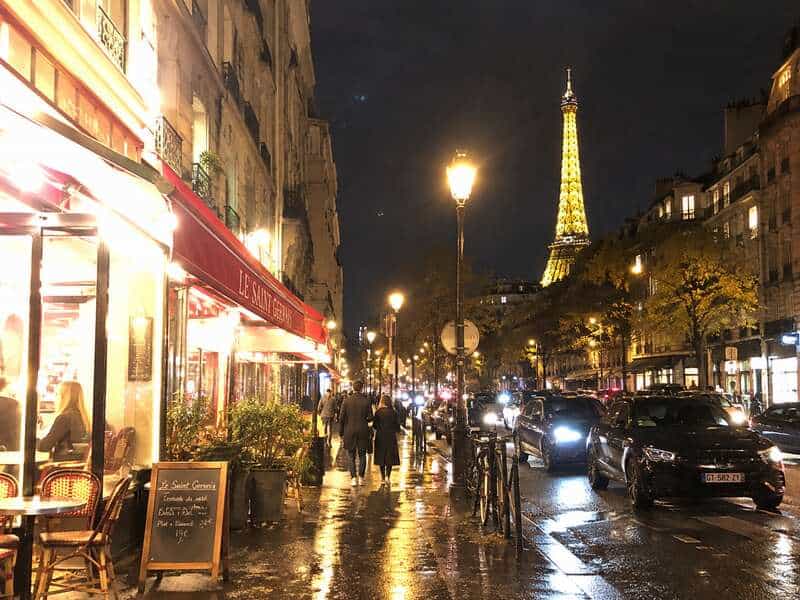
That night, wandering Paris with no plan and a warm crêpe, I felt the city exhale. Streets that had been a stampede at noon turned soft and a little conspiratorial.
With the clarity only a crêpe can provide, I realized I had been scheduling my vacations for the wrong half of the clock.
What Is Noctourism and Why Is It Booming?
Noctourism, sometimes called night tourism, is travel built around the hours between sunset and sunrise. It covers everything from stargazing in remote deserts to after-hours temple visits, night markets and glowing bays. Once a niche for astronomy buffs and chronic insomniacs, it has become one of travel’s most talked-about shifts.
Several forces are feeding it. Heat is the loudest. After punishing summers across southern Europe, including a 2023 heat wave that led Greece to close the Acropolis during its hottest hours, travelers have learned that 9 p.m. is a far more civilized time to be outdoors than 2 p.m.
Overtourism is another factor. From Venice to Barcelona, residents are weary of midday crowds, and an evening visit often buys elbow room that no daytime ticket can promise.
Add a surge of interest in dark sky tourism, plus a recent peak in solar activity that put the northern lights on display in places far from the Arctic, and you have a trend with real momentum.
Why After Dark Travel Appeals to So Many Travelers
Night changes the rules. Temperatures drop, crowds thin and the senses sharpen. Sounds carry farther, lanterns flatter every wall and strangers speak in low voices, which makes even a simple stroll feel like the opening scene of a heist movie. Familiar landmarks turn unfamiliar, and unfamiliar is the whole point of leaving home.
There is a practical perk too. Night travel frees you from the tyranny of the 6 a.m. sunrise tour, an experience enjoyed chiefly by the person selling it. Sleeping in and then staying up is a vacation schedule I will happily recommend to anyone. It also puts you on local time in the truest sense, since in much of the world, from Madrid to Marrakech, real life begins after supper.
Unforgettable Things to Do After Dark, Country by Country
Here are seven after dark experiences that have earned a permanent place in my camera roll and my sleep debt.
Norway: hunting the aurora in Tromsø. Sitting well above the Arctic Circle, Tromsø runs winter northern lights chases by minibus, with guides who hop between pockets of clear sky like weather-obsessed bounty hunters. Some operators add dog sledding or a reindeer camp for good measure. I wore a rented snowsuit that made me resemble a distressed astronaut, then forgot all about it when the sky turned green and began to ripple like a slow curtain. Be warned that the lights keep their own schedule and do not accept complaints.
Chile: stargazing in the Atacama Desert. Few places on earth are drier or clearer than San Pedro de Atacama, which explains why astronomers built some of the world’s most powerful telescopes nearby. Local guides set up scopes in the sand, and the first time I saw Saturn’s rings, I assumed someone had stuck a sticker on the lens. Nobody had.
New Zealand: Lake Tekapo’s dark sky reserve. On the South Island, the Aoraki Mackenzie International Dark Sky Reserve is among the largest protected night skies anywhere, and locals take it seriously enough to regulate outdoor lighting. Astronomy tours run from Mount John Observatory, where the Milky Way looks less like a smudge and more like a spill.
Jordan: Petra by Night. On selected evenings, visitors walk the Siq, a narrow canyon, by candlelight toward the Treasury, where Bedouin musicians play and sweet tea appears from nowhere. Sipping mine, I felt like a character in a better-funded film than my own life.
Jamaica: swimming in the Luminous Lagoon. Near Falmouth, tiny bioluminescent organisms light up when disturbed, so every kick and splash leaves a glowing trail. Twenty minutes of conducting a very damp orchestra with my arms, and I regret nothing.
Morocco: a night in the Sahara. Outside Merzouga, a dusk camel trek leads into the Erg Chebbi dunes, followed by drumming around a fire and sleep in a tent under a sky stuffed with stars. My camel, whom I named Kevin, shared his opinions of me loudly and often.
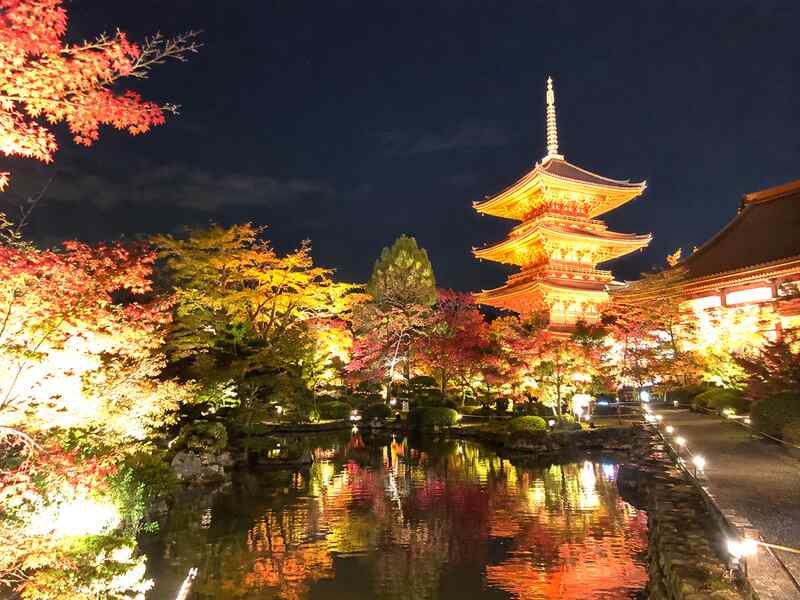
Japan: Kyoto after hours. Temples such as Kiyomizu-dera hold seasonal evening illuminations, when maple leaves and lantern light turn the grounds into something close to a painting. Come late, linger and buy the snack. Kyoto’s night illuminations reward anyone willing to skip the early dinner.

How Cities Are Betting on the Night Economy
Governments have noticed. Amsterdam appointed one of the world’s first night mayors in 2012, and London followed with a night czar in 2016, a job title that sounds like it belongs on a superhero’s business card but is really about keeping transit, venues and streets safe after dark.
Museums from Europe to Asia now schedule late openings, and tourism boards promote night markets, light festivals and star parks as headline attractions rather than afterthoughts.
Not everyone cheers. Residents of busy districts reasonably want to sleep, and thoughtful destinations are learning to balance a thriving night economy with quiet hours. Good noctourists can help by whispering, tipping generously and resisting the urge to serenade a medieval square at 2 a.m.
How to Plan Your First Noctourism Trip
Start with the moon. For stargazing, aim for a new moon, because a full one works like a cosmic floodlight and washes out the show. Book small-group tours with licensed local guides, especially in deserts and polar regions, where darkness is atmospheric and also, you know, dark.
Dress warmer than feels reasonable, since even desert nights turn bitterly cold. Pack a headlamp with a red-light mode, which protects night vision and spares fellow stargazers from being blinded, a social sin on par with texting at a funeral.
Finally, nap. A 4 p.m. siesta is not laziness. It is strategy.
Give Your Next Trip a Night Shift
Last year I returned to the Louvre, this time with an evening ticket. The Mona Lisa was still smaller than anyone expects, but I could finally see her, and she seemed relieved to be admired without an audience of 400 smartphones.
Daylight will always have its charms, yet traveling only by day means seeing half the world. Pack a jacket, a headlamp and a nap.
Your best vacation memory may begin the moment the sun clocks out.

Get it Now!
Going on Vacation Soon?
Subscribe to Download our 7-Point Vacation Checklist (PDF) for FREE!
This checklist saves you valuable time by preparing for any vacation, taking care of vacation finances, securing your home while traveling, dealing with work and family matters, and getting ready to embrace your trip. Subscribe and get instant access now!
By subscribing you agree to our terms and privacy policy
- 223shares
- Share on Facebook
- Share on Twitter
- Share
- Pin